

How to Get a Trade License in Dubai: The Complete 2026 Guide
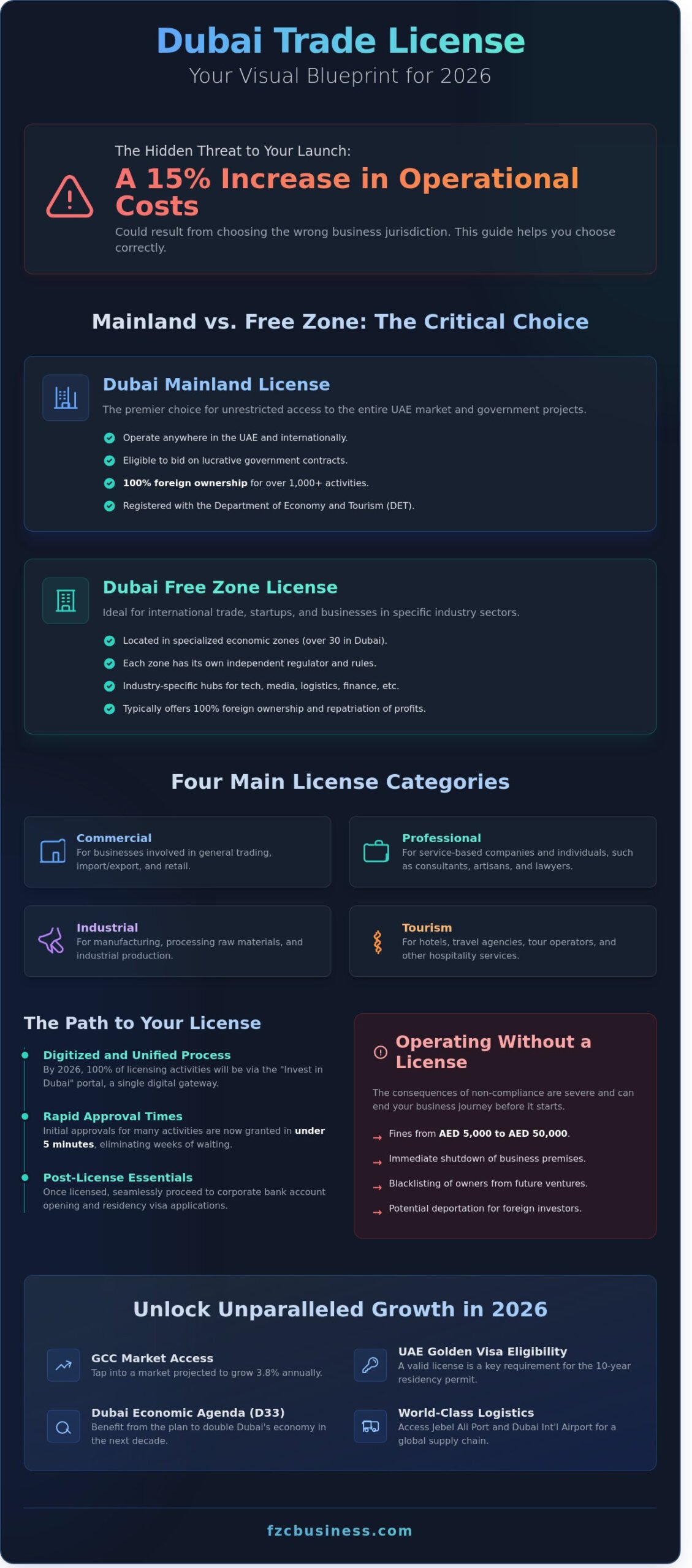
What if the biggest threat to your 2026 business launch isn’t your competition, but a single incorrect choice on your jurisdiction application? Many entrepreneurs assume that any license will do, yet choosing the wrong zone can lead to a 15% increase in operational costs before you even open your doors. You want to focus on your vision, but the reality of trying to get trade license in dubai while navigating complex government portals and the 9% Corporate Tax implications often stands in the way.
It’s important to note that many of these visa applications, especially for family members or roles requiring specific qualifications, will require official documents like diplomas or marriage certificates to be legally verified. This process, known as Certificate Attestation, is a mandatory step to ensure your documents are recognized by UAE authorities.
It’s natural to feel concerned about these bureaucratic hurdles. Our team believes your setup should be a smooth, hassle-free experience. This guide provides the expert guidance you need to secure your license with total confidence. You’ll master the essential steps, understand exact costs in AED, and avoid the common pitfalls that delay residency visas. We’re providing a clear roadmap through the 2026 regulatory landscape, from choosing between mainland and free zone to calculating your annual renewal fees. Let’s turn your entrepreneurial goals into a compliant, licensed reality.
Key Takeaways
- Learn how to choose between Mainland and Free Zone jurisdictions to secure 100% foreign ownership and optimize your business structure for 2026.
- Follow our streamlined, step-by-step guide to get trade license in dubai through the Department of Economy and Tourism (DET) with total clarity.
- Discover the real cost of business setup, including government fees and rental options, calculated in AED for accurate financial planning.
- Simplify post-license essentials like corporate banking and residency visas for a smooth, hassle-free transition into the UAE market.
- Gain expert guidance on navigating the latest regulatory requirements to ensure your new venture remains fully compliant and ready for growth.
What is a Trade License in Dubai and Why Do You Need It?
A trade license is the primary legal document that defines your company’s identity and authorized activities within the emirate. It acts as the official permission from the government to conduct business. Without this document, your enterprise doesn’t legally exist in the eyes of the authorities. The Department of Economy and Tourism (DET) serves as the central regulatory body. They’re responsible for issuing licenses, classifying business activities, and ensuring every company adheres to the strict standards of UAE corporate law. This regulatory framework maintains market stability and protects both the business owner and the consumer.
If you attempt to operate without a valid permit, the consequences are severe. Federal Law No. 2 of 2015 and its subsequent amendments mandate that all commercial entities must be registered. Operating without a license can result in immediate fines ranging from AED 5,000 to AED 50,000. Beyond financial penalties, the DET has the authority to shut down premises, blacklist owners from future business ventures, and even initiate deportation proceedings for foreign investors. Ensuring compliance from day one is the only way to build a sustainable future in the region.
The process to get trade license in dubai has evolved into a sophisticated digital experience. By 2026, the “Invest in Dubai” platform will be the unified portal for 100% of all licensing activities. This initiative has already reduced the time required for initial approvals to under five minutes for many activities. This digital shift eliminates the need for physical paperwork and multiple visits to government offices, aligning with Dubai’s goal to be the world’s leading digital economy. Our team provides expert guidance to help you navigate this platform with precision.
The Four Main Categories of Trade Licenses
The DET classifies businesses into four primary categories to ensure proper regulation. A Commercial License is required for entities involved in general trade, such as retail, electronics, or construction materials. A Professional License is designed for service-based individuals like consultants, lawyers, or artisans where the business relies on intellectual effort. For manufacturing or processing raw materials into finished products, an Industrial License is mandatory. Finally, a Tourism License is essential for travel agencies, hotels, and tour operators, requiring additional approvals from the Department of Tourism and Commerce Marketing.
Benefits of Licensing in Dubai in 2026
Securing a license unlocks unparalleled growth opportunities. By 2026, licensed businesses will have seamless access to the GCC market, which is projected to grow by 3.8% annually. A valid trade license is also a primary requirement for the UAE Golden Visa. This 10-year residency permit allows investors and talented professionals to live and work in the UAE with full security. Additionally, licensed entities benefit from the Dubai Economic Agenda (D33), which aims to double the size of Dubai’s economy over the next decade. You’ll gain access to world-class logistics at Jebel Ali Port and Dubai International Airport, ensuring your supply chain remains efficient and global. Our mission is to make this a smooth experience so you can focus on these high-level opportunities.
Mainland vs. Free Zone: Choosing the Right Jurisdiction
Deciding between a Mainland and Free Zone setup is the most critical step when you get trade license in dubai. This choice dictates your geographic reach, tax obligations, and your ability to work with government entities. Mainland companies are registered with the Dubai Department of Economy and Tourism (DET) and offer the broadest operational freedom. Since the landmark regulatory changes in June 2021, the UAE allows 100% foreign ownership for more than 1,000 commercial and industrial activities on the Mainland. This eliminates the old requirement for a local Emirati partner to hold 51% of shares, a policy that remains a cornerstone of the 2026 business environment.
For entrepreneurs ready to launch, the Invest in Dubai portal provides a centralized platform to verify activity eligibility and start the registration process. While Mainland firms can trade anywhere in the UAE and internationally, Free Zones are specialized hubs designed for specific industries. Each of Dubai’s 30 plus Free Zones has its own regulator and set of rules, often tailored to niches like technology, media, or logistics.
When to Choose a Mainland License
A Mainland license is the gold standard for businesses targeting the local UAE market directly. It’s the only option if your business model involves retail shops in malls, large scale construction projects, or bidding for lucrative government contracts. You have the freedom to lease office space in any part of Dubai, from the high rises of Business Bay to the industrial zones of Jebel Ali. There are no “gatekeeper” requirements when trading with other UAE based companies. This jurisdiction is ideal for businesses that require a physical presence across the city or those that plan to expand via multiple branches in different emirates.
When a Free Zone License is Superior
Free Zone licenses are highly efficient for businesses focused on international trade or specific professional services. Jurisdictions like IFZA or Dubai Media City offer streamlined visa processing and simplified customs procedures that make importing and exporting goods hassle-free. These zones often provide “virtual office” or “flexi-desk” options, which significantly reduce startup costs for consultants and digital nomads. If your clients are primarily located outside the UAE, a Free Zone setup provides a cost effective entry point with 100% repatriation of capital and profits.
Tax strategy is another major factor for 2026. While the UAE now implements a 9% Corporate Tax on profits exceeding AED 375,000, many Free Zone entities can maintain a 0% tax rate. To achieve this, the business must qualify as a “Qualified Free Zone Person” by maintaining adequate substance and earning qualifying income. This distinction makes Free Zones particularly attractive for high revenue international firms. If you need help determining which zone offers the best tax advantages for your specific activity, our team can provide a tailored jurisdiction comparison to ensure your setup is optimized for growth.
- Ownership: 100% foreign ownership is available in both jurisdictions for most activities.
- Physical Presence: Mainland requires a physical office; Free Zones offer flexible desk options.
- Market Access: Mainland can trade anywhere; Free Zones are restricted to their zone or international markets for physical goods.
- Corporate Tax: 9% applies to Mainland profits over AED 375,000; Free Zones may qualify for 0% under specific conditions.
Step-by-Step Process to Get a Trade License in Dubai
Establishing a legal entity in the UAE requires a precise roadmap and expert guidance to avoid costly delays. To get trade license in dubai, you must follow a structured path set by the Department of Economy and Tourism (DET). This process ensures your business complies with local laws while positioning you for long-term growth. The journey begins with selecting your legal structure, whether it’s a Sole Establishment or a Limited Liability Company (LLC), followed by a series of administrative approvals.
The timeline for license issuance has improved significantly. In 2024, the DET processed over 70% of initial approvals within 24 hours through digital portals. Once you have your initial approval, you have six months to complete the remaining steps, which include drafting legal contracts and securing a physical location. Fast Zone Business ensures this transition is a smooth experience by managing the interface between various government departments on your behalf.
Selecting Your Business Activities
The DET list currently features over 2,000 unique business activities. Choosing the right ones is the most critical factor for your future corporate bank account. UAE banks categorize activities by risk level; selecting a high-risk activity like “Investment Hub” without the proper capital can lead to immediate account rejection. You can efficiently group up to 10 related activities under one license fee to maximize your market reach. However, specialized sectors like healthcare or education require external approvals from the Dubai Health Authority (DHA) or the Knowledge and Human Development Authority (KHDA) before the license is finalized.
The Documentation Checklist for 2026
Preparation is the key to a hassle-free setup. For the 2026 cycle, the DET requires specific documents to verify the identity and intent of all stakeholders. Our in-depth knowledge of current regulations ensures your file is complete before submission. You will need the following:
- Passport Copies: High-resolution color copies for all shareholders and managers.
- Visa Status: A copy of your entry stamp or current residency visa.
- NOC: A No Objection Certificate if you’re currently employed in the UAE, though this is now exempt for many free zone jurisdictions.
- Technical Studies: Detailed feasibility reports are mandatory for industrial or manufacturing licenses to ensure environmental compliance.
After gathering your documents, you must draft and sign the Memorandum of Association (MOA). This legal document outlines the shareholding structure and profit-sharing ratios. While many entrepreneurs used to require a local sponsor, 100% foreign ownership is now the standard for over 1,000 commercial and industrial activities on the mainland. This shift has made it easier than ever to get trade license in dubai while maintaining full control of your assets.
The final physical requirement is securing a business address. You must register a tenancy contract through the Ejari system. This contract is a prerequisite for the final license issuance and triggers the Dubai Municipality market fee, which is typically 5% of your annual rent. Once the DET verifies your Ejari and signed MOA, they issue a payment voucher. Standard mainland license fees generally range from AED 15,000 to AED 25,000, depending on your specific activities and legal form. After payment, your digital license is issued, allowing you to start operations immediately.
The Real Cost of Setting Up a Business in Dubai
Budgeting for your venture requires a clear view of both visible and invisible expenses. To get trade license in dubai, you must account for government fees that typically range from AED 10,000 to AED 30,000 depending on your chosen activity and jurisdiction. These fees cover the initial approval, trade name reservation, and the license issuance itself. Administrative costs, such as notarization and translation of legal documents, often add another AED 2,000 to AED 5,000 to the total. You’ll find that Mainland licenses usually involve a 2.5% market fee based on your office rent, which is a critical detail many new owners overlook during their first year.
Rental costs represent a major variable in your budget. Free Zone entities often utilize flexi-desks or “smart offices,” which can cost between AED 5,000 and AED 15,000 annually. If you choose a Mainland setup, you’ll need a physical office space. In prime areas like Business Bay or Sheikh Zayed Road, expect to pay at least AED 80 to AED 150 per square foot. While Free Zones offer cheaper desk options, Mainland locations provide the freedom to trade anywhere in the UAE, making the higher rent a strategic investment for retail or local service businesses.
Visa costs are a recurring investment for every employee you hire. A standard residency visa for a staff member costs between AED 3,000 and AED 7,000. This price includes medical fitness tests, Emirates ID processing, and visa stamping. Don’t forget that these licenses require annual renewal. Maintaining sustainability means setting aside roughly 70% to 80% of your initial license fee every year. Planning for these renewals ensures your operations remain legal without straining your cash flow when the anniversary date arrives.
Hidden Costs to Watch Out For
Unexpected expenses can disrupt your financial planning if you aren’t prepared. If you choose a non-Arabic trade name, the Department of Economy and Tourism (DET) charges a foreign name premium of approximately AED 2,000 per year. Dubai law also mandates health insurance for all visa holders. Basic Essential Benefit Plans start around AED 600, but comprehensive coverage for senior staff can exceed AED 10,000. Since the 2023 Corporate Tax implementation, you’ll also need to budget for professional accounting services to ensure VAT and tax compliance, which usually starts at AED 1,000 per month for small firms.
Cost-Saving Strategies for Startups
Smart entrepreneurs use specific tactics to reduce their initial burn rate. The “Instant License” from the DET allows you to get trade license in dubai without a physical lease for the first year. This saves you thousands in upfront rent while you test the market. Many Free Zones now offer zero-visa packages specifically for remote workers or digital nomads, with prices starting as low as AED 12,900. You can also significantly reduce overhead by leveraging Fast Zone Business for bundled PRO services. This consolidation prevents the need for an expensive in-house administrative team during your early growth phase.
Post-License Essentials: Banking, Visas, and Compliance
Securing your legal documents is a major milestone, but the journey to get trade license in dubai is just the first step toward a fully functional business. This document serves as the legal anchor for your entire operation. It directly dictates your eligibility for corporate banking and the number of residency visas you can sponsor. Without a valid license, you cannot sign a commercial lease, enter into contracts with suppliers, or legally hire a single employee.
Compliance doesn’t end with the issuance of a certificate. Since June 2023, the UAE has implemented a federal Corporate Tax of 9% on taxable profits exceeding AED 375,000. Additionally, once you get trade license in dubai, you must register with the Federal Tax Authority (FTA) if your taxable turnover exceeds AED 375,000 for VAT purposes. Failing to register within the specified deadlines can lead to administrative penalties starting at AED 10,000.
Opening a Corporate Bank Account in 2026
In 2026, UAE banks have tightened their “Know Your Customer” (KYC) protocols to align with global anti-money laundering standards. Approximately 35% of new entrepreneurs face delays or rejections during this stage because of incomplete documentation or unclear business plans. You’ll need your trade license, Memorandum of Association (MOA), and proof of residency for all shareholders. For digital-first businesses, platforms like Wio Bank, Mashreq NeoBiz, and ADCB Hayyak offer streamlined, app-based onboarding that can reduce setup time from weeks to days.
Applying for Residency Visas
Your trade license acts as the basis for your Establishment Card, which allows you to sponsor visas. The number of visas you can apply for generally depends on the size of your physical office, with a standard allocation of one visa per 9 square meters of space. Owners can apply for two-year renewable investor visas or explore the 10-year Golden Visa if they meet specific investment thresholds. You can also sponsor your spouse, children, and domestic staff once your own residency permit is stamped. This process involves a medical fitness test and an Emirates ID application, typically completed within 7 to 10 working days.
Why Professional Guidance is Essential
The transition from a licensed entity to an operational one is where most bottlenecks occur. Errors in the initial MOA drafting can lead to internal shareholder disputes or issues with profit repatriation later. Expert guidance ensures that your legal structure is future-proof and compliant with the latest Ministry of Economy regulations. Ongoing PRO services are vital for managing document clearing, labor contracts, and timely license renewals to avoid late fees that can reach AED 200 per month.
Choosing a partner who understands the local ecosystem makes the difference between a stalled start and a successful launch. From initial consultancy to Fast Zone Business setup and long-term compliance, having an expert team handles the bureaucratic weight. This allows you to focus on your market entry strategy while professionals manage the intricate details of government approvals and FTA registrations. We provide a smooth experience by customizing our services to your specific industry needs, ensuring every compliance box is checked before you even open your doors.
Launch Your Dubai Business Venture Today
Success in the UAE’s competitive market depends on choosing the right jurisdiction and understanding the 2026 regulatory requirements. Whether you opt for a Mainland setup or a Free Zone entity, the steps to get trade license in dubai require precision to avoid costly delays. You now have the roadmap for navigating initial approvals, legal structures, and essential post-license tasks like residency visas and corporate banking.
Fast Zone Business simplifies this entire journey. With over 10 years of UAE setup expertise, we serve as official partners with major UAE Free Zones to provide you with direct, efficient solutions. Our team offers comprehensive PRO and bank account support; we manage the administrative complexities so you can prioritize growth. We’ve helped thousands of entrepreneurs establish their presence without the typical stress of government paperwork.
Don’t leave your business goals to chance. Book a FREE Consultation with Fast Zone Business to receive a customized setup plan tailored to your specific needs. It’s time to build your legacy in one of the world’s most dynamic commercial hubs.
Frequently Asked Questions
How long does it take to get a trade license in Dubai in 2026?
You can obtain a trade license in Dubai in as little as 24 hours using the “Instant License” service provided by the Department of Economy and Tourism. For standard applications that require external approvals from specific ministries, the process typically takes 3 to 5 working days. This rapid timeline ensures a smooth experience for investors who want to start their operations immediately.
Can I get a trade license in Dubai without a physical office?
Yes, you can secure a license without a traditional office by opting for a Flexi-desk or a Virtual Office setup. Many Free Zones and Mainland authorities offer packages that waive the physical lease requirement for the first 12 months of operation. This option can save your business between AED 15,000 and AED 35,000 in initial rental overheads during your first year.
Is a local sponsor still required for a Mainland company?
A local sponsor is no longer mandatory for over 1,000 commercial and industrial activities as of June 2021. Foreign entrepreneurs can now enjoy 100% ownership of their Mainland companies without a UAE National partner. You’ll only need a local service agent for professional licenses, but they don’t hold any equity in your business, allowing you to maintain full control.
What is the cheapest trade license available in Dubai?
The most affordable license packages currently start at approximately AED 5,750 for zero-visa setups in specific northern emirates or specialized Dubai Free Zones. To get trade license in dubai at the lowest price, you should look for “Freelancer” or “E-commerce” packages during seasonal promotional periods. These costs cover the basic registration and license fees but exclude visa processing and health insurance charges.
Can I apply for a Dubai trade license while on a tourist visa?
You can definitely start the application process for a trade license while you’re in the UAE on a tourist visa. All you need is your passport copy and the entry stamp from your most recent arrival at the airport. Once the license is issued, you’re eligible to apply for an investor visa and complete a status change without needing to exit the country.
How many visas can I get with one trade license?
A standard Free Zone trade license usually grants between 1 and 6 visa allocations depending on the specific package you purchase. For Mainland businesses, the number of visas is linked to the physical size of your office, with a general rule of one visa per 9 square meters of space. You can always apply for additional quotas if you can prove a legitimate business need for more staff.
What is the difference between a trade license and a commercial license?
“Trade license” is an umbrella term for the legal document that allows you to operate, while a “Commercial license” is a specific category for buying and selling goods. If you want to get trade license in dubai for retail, wholesale, or general trading, you’ll be issued a commercial type. Other categories include professional licenses for service providers and industrial licenses for manufacturing firms.
Do I need to register for Corporate Tax immediately after getting my license?
You must register for UAE Corporate Tax within 3 months of your license issuance to avoid a penalty of AED 10,000. While the tax rate remains 0% for taxable income up to AED 375,000, the registration itself is a mandatory compliance step for all new entities. Our team offers expert guidance to help you navigate these filings and ensure your new business stays fully compliant with Federal Tax Authority regulations.
